
Causes, Risks, and How Fertilizer Compatibility Plays a Role
Irrigation systems are designed to deliver water and nutrients efficiently, yet clogging of irrigation lines and emitters remains a common challenge in greenhouse and nursery production. When clogging occurs, water and nutrient delivery become uneven, leading to crop stress, reduced uniformity, and loss of control over fertigation programs.
Understanding why irrigation systems clog—and how fertilizer compatibility fits into the picture—is essential for maintaining reliable nutrient delivery.
How Fertigation Works in Irrigation Systems
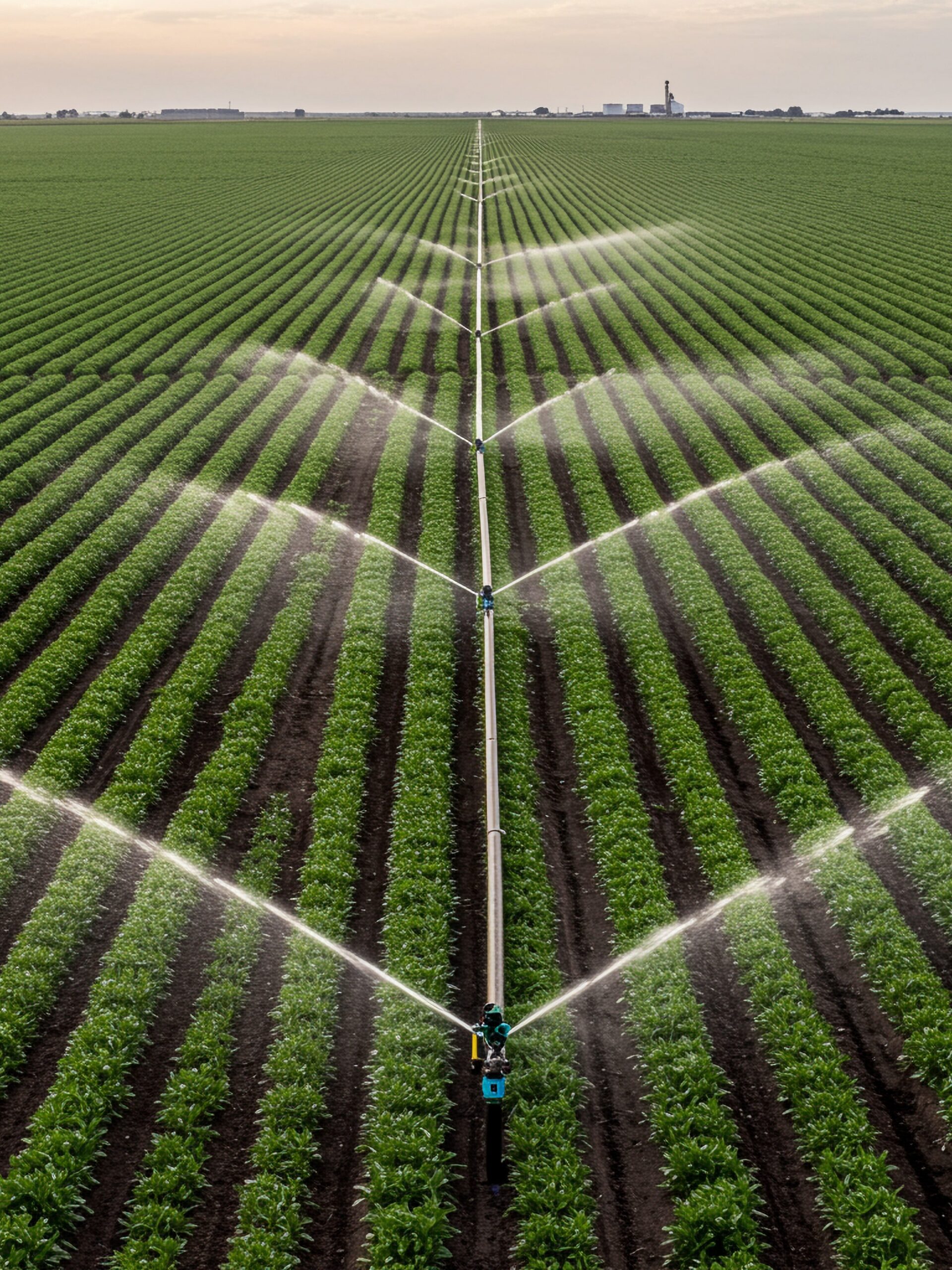
Fertigation delivers water-soluble fertilizers through irrigation systems directly to the root zone. When managed correctly, it allows for precise nutrient control and efficient fertilizer use. However, fertigation depends on clean water, compatible inputs, and proper system management. Clogging issues typically arise when one or more of these factors are compromised.
The Three Types of Irrigation System Clogging
Irrigation system clogging generally falls into three categories: physical, biological, and chemical. Each has different causes and management considerations.
1. Physical Clogging
Physical clogging occurs when suspended solids such as sand, silt, organic debris, or algae enter the irrigation system. This is most common when surface or recirculated water sources are used. Proper filtration is the primary method for reducing physical clogging.
2. Biological Clogging
Biological clogging results from the buildup of biofilm, formed by bacteria, algae, and other microorganisms inside irrigation lines. Biofilms are often associated with nutrient-rich water and can trap additional particles, accelerating clog formation. Once established, biological clogging can be difficult to remove, making prevention especially important.
3. Chemical Clogging
Chemical clogging occurs when dissolved compounds react and form insoluble precipitates inside irrigation lines. This type of clogging is often linked to water chemistry, high pH, and fertilizer incompatibilities. Common contributors include calcium, phosphates, sulfates, iron, and manganese.
How Fertilizer Compatibility Influences Chemical Clogging
Certain fertilizer combinations can react and form insoluble compounds, increasing the risk of chemical clogging. Examples include calcium reacting with phosphates or sulfates, and iron or manganese oxidizing at higher pH levels.
While fertilizer formulation alone cannot prevent all clogging issues, using compatible, well-formulated fertilizers and understanding mixing interactions helps reduce the risk of precipitation within fertigation systems.
Common Causes of Irrigation System Clogging
| Clogging Type | Primary Cause | Typical Indicators |
| Physical | Suspended solids or debris | Reduced flow, blocked emitters |
| Biological | Biofilm and microbial growth | Slime, uneven watering |
| Chemical | Precipitation from water chemistry or fertilizer incompatibility | Mineral deposits, scaling |
Water Quality Factors That Increase Clogging Risk
| Water Characteristic | Increased Risk When Levels Are High |
| pH | Iron, manganese, and calcium precipitation |
| Iron & manganese | Oxidation and insoluble deposits |
| Calcium & magnesium | Scale formation |
| Suspended solids | Physical blockage |
| Bacterial populations | Biofilm development |
Best Practices to Reduce Clogging Risk
Reducing clogging requires a holistic approach that considers water quality, system design, and fertilizer management. Best practices include regular water testing, proper filtration, managing water pH, avoiding incompatible fertilizer combinations, and conducting compatibility tests before mixing fertilizers.
Working with knowledgeable fertilizer specialists can help ensure fertigation programs are designed with both nutrient delivery and system performance in mind.
Final Thoughts
Irrigation system clogging is rarely caused by a single factor. Physical debris, biological growth, and chemical reactions often contribute simultaneously. While fertilizer quality alone does not eliminate clogging, compatible formulations and informed fertilizer selection play an important role in supporting clean, functional irrigation systems.